 XinJing
A Beginner’s Guide to Amethyst: Unveiling the Energy Mysteries and Healing Power of the Romantic Mineral
A Beginner’s Guide to Amethyst: Unveiling the Energy Mysteries and Healing Power of the Romantic Mineral
Amethyst, the captivating purple variety of quartz, has been one of the most sought-after gemstones throughout human history. From the crowns of royalty to the altars of ancient civilizations, its allure transcends time and culture. Today, as the global interest in holistic wellness and sustainable luxury grows, amethyst remains a cornerstone of the natural stone industry. For wholesalers and retailers, understanding the mineralogical depth and the energetic appeal of this stone is essential for meeting the demands of a sophisticated market.
The Mineralogical Foundation of Amethyst
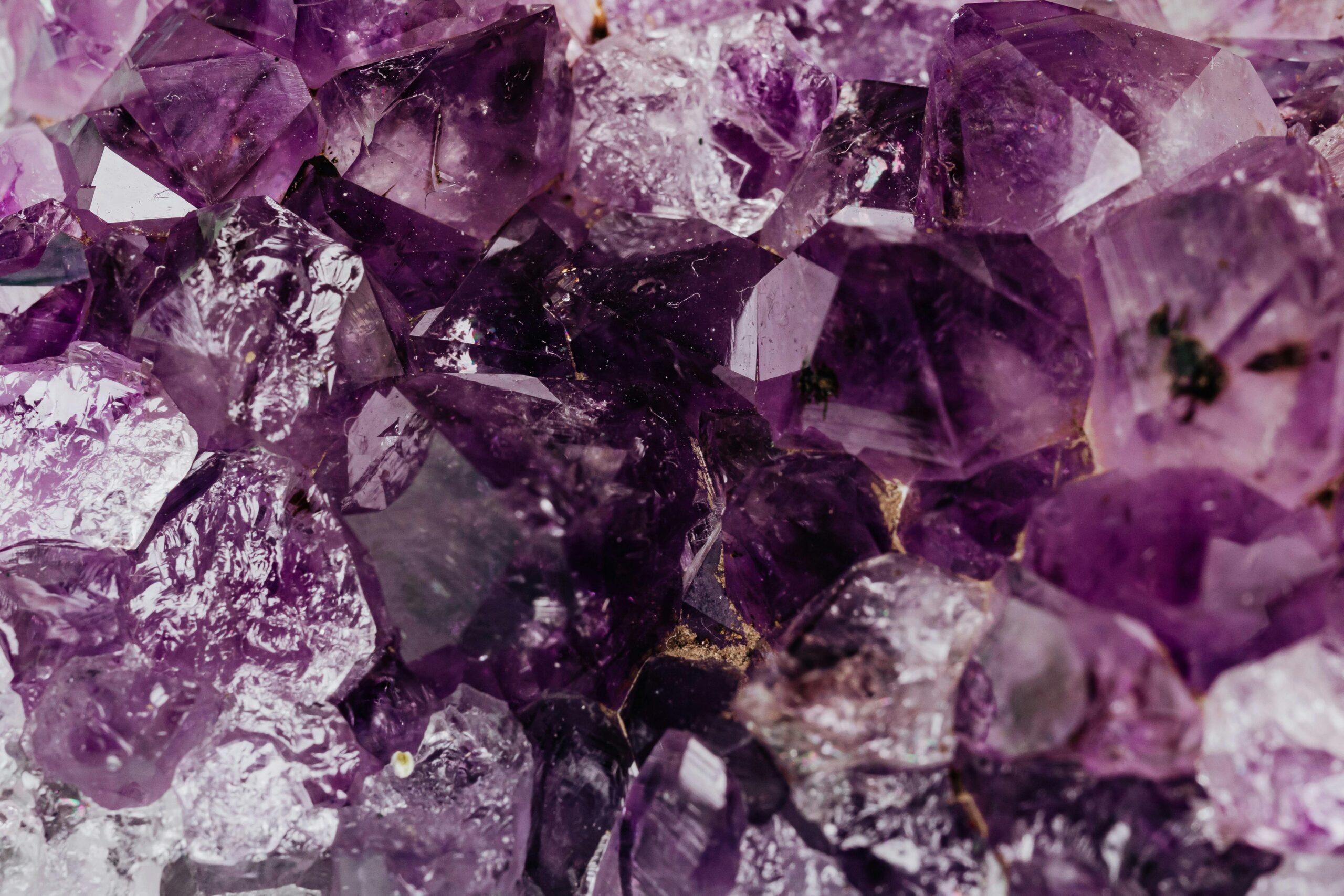
Amethyst is a macrocrystalline variety of quartz (Silicon Dioxide, $SiO_2$). Its signature violet color is not merely a surface trait but a result of complex geological processes. The hue is primarily caused by trace amounts of iron ($Fe^{3+}$) within the crystal lattice, which undergoes natural irradiation from the surrounding earth over millions of years.
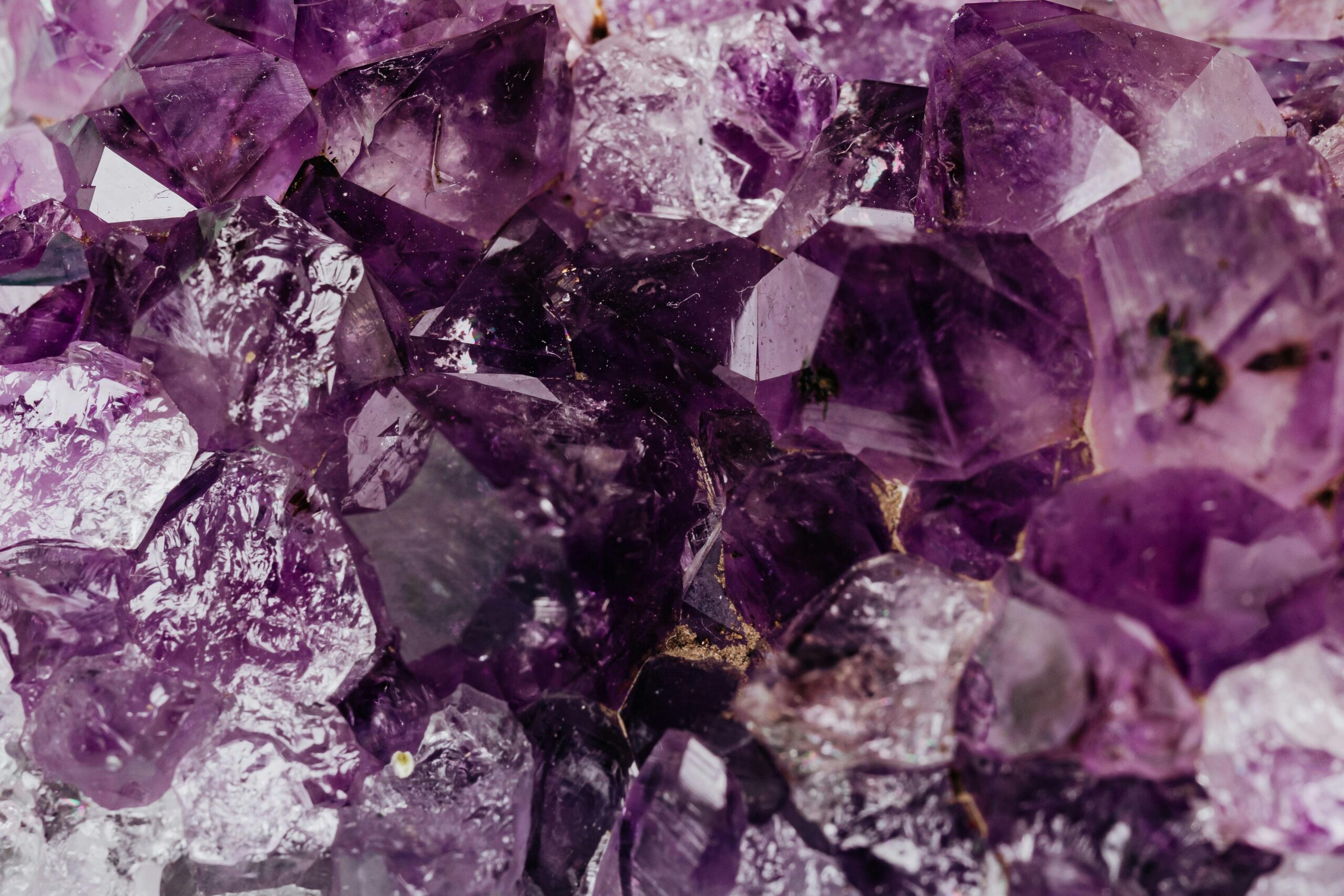
As a high-quality natural stone, amethyst ranks 7 on the Mohs scale of mineral hardness. This durability makes it an ideal material for various commercial applications, ranging from large-scale geode specimens to precision-cut natural beads. While amethyst is found globally—most notably in Brazil and Uruguay—the quality varies significantly based on the depth of color and clarity. For professional buyers, identifying the “Deep Siberian” hue—the highest grade of amethyst characterized by a deep purple with red or blue flashes—is key to securing high-value inventory.
The Energetic Mystery: Why Amethyst Heals
In the realm of lithotherapy and metaphysics, amethyst is often referred to as the “Stone of Spirituality and Contentment.” It is believed to operate on a high vibrational frequency, primarily associated with the Third Eye and Crown Chakras.
1. Mental Clarity and Stress Reduction
Amethyst is widely recognized for its ability to soothe the mind. In a fast-paced modern world, consumers are increasingly seeking crystals that promote tranquility. Amethyst is thought to act as a natural tranquilizer, blocking negative environmental energies and relieving stress and anxiety. This makes it a popular choice for meditation spaces and office environments.
2. Enhancing Intuition and Focus
By stimulating the Third Eye, amethyst is said to enhance cognitive perception and intuition. It assists in the decision-making process by bringing together common sense and spiritual insight. For this reason, it is a staple in the collections of those who practice mindfulness or creative professions.
3. Physical Well-being
Beyond the emotional benefits, traditional lore suggests that amethyst supports physical detoxification. Historically, the name “amethyst” comes from the Greek word amethystos, meaning “not drunken,” reflecting the ancient belief that the stone could prevent intoxication and overindulgence.
Market Trends: From Raw Geodes to Natural Beads
For wholesalers, the versatility of amethyst is its greatest commercial strength. The market demand is currently bifurcated into two main categories:
- Interior Design and Decor: Large amethyst geodes and clusters are increasingly used as “statement pieces” in luxury home decor. Their raw, architectural beauty appeals to high-end clients looking for a blend of nature and sophistication.
- Jewelry and Accessories: The demand for natural beads remains consistently high. Amethyst beads are a staple for designers creating “power bracelets” or minimalist necklaces. Because amethyst pairs beautifully with both silver and gold, it offers endless design possibilities for jewelry manufacturers.
As a factory-direct supplier, we observe that “AAA grade” amethyst—characterized by high transparency and intense saturation—continues to outperform lower grades, even at a premium price point. Wholesalers who prioritize consistency in color and cut will find a loyal customer base among boutique jewelry brands and holistic practitioners.
Sourcing and Quality Control for Wholesalers
When sourcing amethyst in bulk, professional buyers must look beyond the surface. Quality control is paramount in the natural stone sector. Factors to consider include:
- Color Uniformity: While natural variations are expected, high-quality crystals should not show excessive “color zoning” (uneven distribution of color) unless it is a specific design choice, such as in “Ametrine.”
- Clarity: Amethyst is generally a “Type II” gemstone, meaning it may have some minor inclusions. However, for natural beads and faceted stones, eye-clean clarity is the standard for premium lines.
- Ethical Sourcing: Modern consumers are increasingly concerned with the provenance of their stones. Partnering with factories that prioritize ethical mining and sustainable processing is no longer optional; it is a competitive advantage.
Conclusion
Amethyst is far more than a beautiful purple rock; it is a bridge between the geological wonders of the Earth and the human desire for peace and clarity. Its enduring popularity in the natural stone market is a testament to its unique combination of physical durability and metaphysical depth.
For wholesalers, investing in a diverse range of amethyst—from raw specimens to finely polished natural beads—is a strategic move. By providing customers with authentic, high-quality crystals, you are not just selling a product; you are providing a tool for wellness and a piece of Earth’s ancient history. As the market for natural minerals continues to expand, amethyst will undoubtedly remain at the forefront of the industry, captivating new generations with its romantic glow and silent power.
You may also be interested in:

Inclusions and Growth Lines: How to Identify Natural Stones at a Glance
The Wholesaler’s Guide to Sourcing Natural Stone: Quality, Selection, and Pitfalls
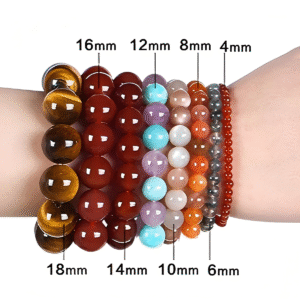
Natural Stone Size Guide
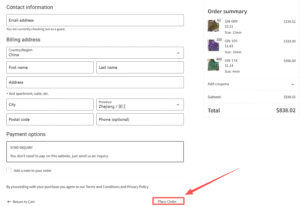
Purchase Process
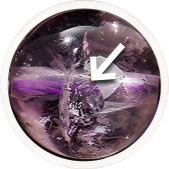
Natural Stone Characteristics