 XinJing
The Wholesaler’s Guide to Sourcing Natural Stone: Quality, Selection, and Pitfalls
The Wholesaler’s Guide to Sourcing Natural Stone: Quality, Selection, and Pitfalls
Natural stone has been the hallmark of timeless architecture for centuries. From the grandeur of ancient monuments to the sleek interiors of modern commercial buildings, it offers a level of durability and aesthetic appeal that synthetic materials struggle to replicate.

For wholesalers and industry professionals, understanding the nuances of this material is essential for delivering value to clients and ensuring long-term project success.
Whether you are sourcing material for a large-scale renovation or a luxury residential project, navigating the market requires more than just looking at a catalog. This guide breaks down the essentials of natural stone selection, identifying common quality markers, and helping you avoid the pitfalls of poor sourcing.
Understanding the Basics: More Than Just Appearance
When we talk about natural stone, we are referring to a wide variety of materials formed by geological processes over millions of years. These materials are generally categorized by their formation process, which dictates their physical properties, such as hardness, porosity, and maintenance requirements.
Common categories include:
* Granite: An igneous rock known for its extreme hardness and resistance to heat and scratching. It is a workhorse for high-traffic areas.
* Marble: A metamorphic rock prized for its unique veining and elegance. It has a softer, more porous composition, often displaying a beautiful crystal structure that catches the light.
* Quartzite: A hard, metamorphic rock that offers the look of marble with the durability of granite.
Understanding these differences is the first step in matching the right product to your client’s needs. A common mistake is selecting a stone based solely on its color without considering where it will be installed—for example, using a highly porous marble in a high-traffic commercial kitchen.
Quality Control: What to Look For
As a wholesaler, your reputation depends on the consistency and quality of the materials you supply. When evaluating a batch, consider the following technical aspects:
- Uniformity and Veining: While natural stone is inherently variable, large batches should show a consistent pattern or “movement.” If you are supplying for a large project, ensure that the slabs are from the same block or quarry run to avoid drastic color shifts.
- Structural Integrity: Inspect the surface for micro-fissures. Some stones, particularly certain types of marble, are naturally porous and may require resin treatment to strengthen them. This is a standard industry practice, but it must be done professionally.
- Physical Testing: Reliable suppliers should provide data on water absorption rates and compressive strength. These numbers tell you how the stone will perform in specific environments.
Common Pitfalls to Avoid
The natural stone market is vast, and price often reflects quality. One of the biggest mistakes buyers make is prioritizing the lowest price over product integrity. Here are a few “red flags” to watch out for:
- Hidden Defects: Cheap stone often hides flaws. Be wary of slabs that are heavily masked with excessive filler or dyes to hide cracks or color inconsistencies.
- Ignoring the “Crystal” Factor: In stones with a high crystal content, the way the stone is cut can drastically change its appearance. Poorly cut stone can result in dull finishes or uneven thickness, which leads to installation nightmares.
- Lack of Documentation: Always ask for the origin of the stone. A transparent supply chain is a sign of a professional operation. If a supplier cannot tell you where the stone was quarried, it is often a sign of poor quality control.
Partnering with the Right Supplier
Ultimately, the success of your procurement strategy relies on your relationship with your supplier. A professional natural stone factory does more than just cut and polish blocks; they act as a gatekeeper for quality.
When vetting a potential partner, look for a factory that prioritizes:
* Quality Inspection: Do they have a dedicated team that checks every bundle before it is crated?
* Technical Expertise: Can they advise on the best finishes (honed, polished, leathered) for the specific stone type?
* Communication: Are they transparent about the limitations of the material? A good supplier will tell you if a specific stone is not suitable for your project’s intended use.
Conclusion
Sourcing natural stone is an investment in both aesthetic beauty and structural longevity.

By moving beyond simple aesthetics and focusing on the geological and technical realities of the material, you can ensure that your inventory meets the high standards your clients expect. Remember that a reliable natural stone factory is not just a vendor, but a partner in your business, helping you navigate the complexities of the industry to deliver projects that stand the test of time.
You may also be interested in:

Inclusions and Growth Lines: How to Identify Natural Stones at a Glance

A Beginner’s Guide to Amethyst: Unveiling the Energy Mysteries and Healing Power of the Romantic Mineral
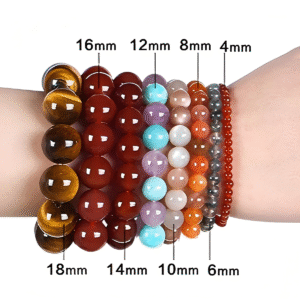
Natural Stone Size Guide
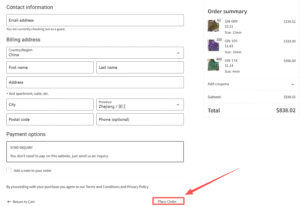
Purchase Process

Natural Stone Characteristics